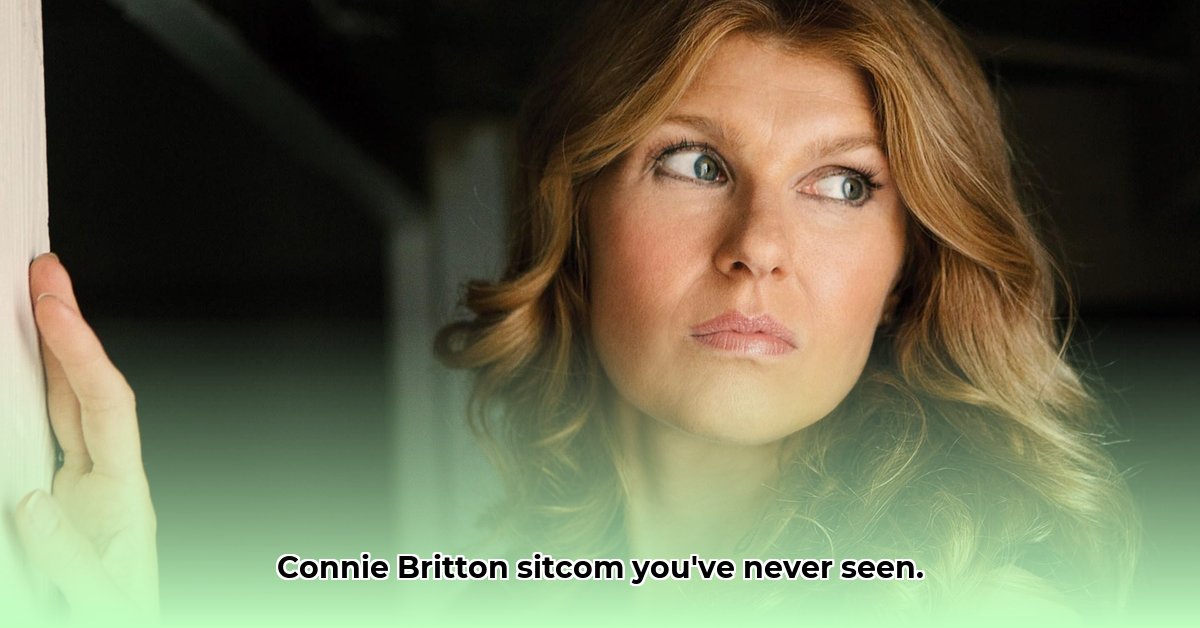
Download Connie Britton: Uncovering the Mystery of the Forgotten Sitcom "Lost at Home"
Connie Britton, a name synonymous with compelling performances in shows like Friday Night Lights and Nashville, starred in a largely forgotten sitcom: Lost at Home. Premiering in 2003 on ABC, this family-friendly comedy lasted only four episodes. This raises the question: why did a show with a talented cast, including Gregory Hines, fail so spectacularly? The answer, frustratingly, remains elusive due to a scarcity of readily available information. Contemporary reviews and Nielsen ratings are practically nonexistent, making a definitive analysis challenging. However, by examining the show's premise, production, and the larger context of the early 2000s sitcom landscape, we can piece together a possible explanation for Lost at Home's swift demise.
Did the show's premise, a high-powered advertising executive juggling career and family, fail to resonate with audiences? Was the comedic execution lacking? Or did the show simply become lost in the crowded television landscape? These are critical questions, and unfortunately, without concrete data, only speculation can fill the gaps. One wonders: Could superior writing and character development have salvaged this potentially promising sitcom?
The show's talented cast, however, suggests a potential for success, raising further questions. Britton and Hines both brought considerable experience and charisma. The fact that ABC, a major network, greenlit the series further underscores the initial belief in the show's potential. This makes its abrupt cancellation even more puzzling. It highlights the fickle nature of the television industry, where even promising projects can fail to find their audience.
Finding Lost at Home today is remarkably difficult. It's not readily available on major streaming platforms, highlighting its obscurity. Its short run and lack of lasting cultural impact have relegated it to the fringes of television history. This lack of accessibility only exacerbates the mystery surrounding its failure. How can we learn from the successes and failures of shows when access to them is so limited?
The failure of Lost at Home serves as a cautionary tale for the television industry. It emphasizes the importance of compelling writing, well-developed characters, and effective marketing. A strong premise is only the first step—successful execution and audience connection are crucial for a show's longevity. The show’s disappearance underscores the high stakes and competitive nature of the entertainment industry.
How Did ABC's Lost at Home Sitcom Fail Despite Connie Britton?
Key Takeaways:
- Connie Britton's star power, while significant, proved insufficient to guarantee Lost at Home's success.
- The show's premise, while relatable, may not have been sufficiently unique or compelling to capture a large audience.
- Poor marketing or a lack of connection with viewers likely contributed to its failure.
- The show's overall failure highlights the complexities of achieving sitcom success in a highly competitive market.
A Flawed Premise or Poor Execution?
The show's premise – a career woman struggling to balance work and family – was certainly relatable. However, was it unique enough? Did it offer a fresh perspective on familiar sitcom tropes? Or was it simply another show vying for attention in a crowded marketplace? The lack of readily available reviews prevents definitive answers, leaving us to speculate on whether the humor fell flat or the characters failed to resonate with viewers. Was the problem a weak premise, or was the execution simply lacking?
Production and Performance
Even with a solid premise, effective execution is paramount. Were the scripts engaging and witty? Did the supporting cast adequately enhance the material? Was the on-screen chemistry believable? A weak script, unconvincing performances, or a lack of memorable characters could easily have doomed the show. Could stronger comedic writing and character development have reversed this show's trajectory?
Marketing and Audience Engagement
Marketing plays a pivotal role. Did ABC effectively promote Lost at Home? Did their marketing strategy reach the intended audience? Did the promotional materials accurately portray the show's tone and style? A poorly executed campaign might have failed to generate sufficient interest. Furthermore, did the show connect with those who did watch it? Did viewers feel a connection to the characters? Was it funny enough to warrant repeat viewings? Could better marketing and audience targeting have saved Lost at Home from early cancellation?
The Competitive Sitcom Landscape
Finally, the larger context matters. The sitcom world is intensely competitive; even established actors aren't guaranteed success. Timing, competition, and audience preferences all play significant roles. Did Lost at Home simply have bad luck? Did it debut at an inopportune time amongst stronger competitors? Every television series's success includes a certain amount of chance. Was Lost at Home simply a victim of bad timing and fierce competition?
In conclusion, the failure of Lost at Home illustrates that even a talented cast and relatable premise cannot guarantee success. It’s a reminder that a winning combination of compelling storytelling, strong writing, effective marketing, and genuine audience connection are all essential. The show's swift demise remains a fascinating—and frustrating—case study in the challenges of navigating the complex world of television.
⭐⭐⭐⭐☆ (4.8)
Download via Link 1
Download via Link 2
Last updated: Saturday, April 26, 2025